
When landscaping fails — patios sink, retaining walls lean, driveways crack — most people blame the contractor or the product.
But 90% of outdoor failures don’t happen on the surface.
They start under the ground, long before a single paver is laid.
The real problem?
The site was never properly prepared.
And the first step in that preparation is not picking a patio stone or designing a retaining wall — it’s brush clearing, so the land can be assessed and shaped correctly.
The Kelowna challenge: slopes, rock, and freeze–thaw cycles
Kelowna is beautiful, but its landscape is unpredictable:
- Sloped terrain that sends water racing downhill
- Rocky soil that makes excavation challenging
- Cold winters that cause frost heave
- Sudden snow melt that overwhelms drainage
This combination is hard on landscaping and even harder on hardscapes like:
- Patios
- Driveways
- Retaining walls
- Walkways
Water always wins — unless the land is shaped to control it.
STEP 1: Brush clearing — the foundation of accurate grading
Before any grading can happen, brush clearing removes:
Overgrown vegetation
Small trees and roots
Organics and debris hiding slope changes
Buried obstacles that will interfere with drainage
If you try to grade a site before brush clearing, you’re guessing. You cannot see where water naturally wants to travel.
Brush clearing, especially for acreage lots in Kelowna, reveals the truth of the land:
- Where water pools
- High and low spots
- Soil density
- Rocky outcrops
- Root zones that will cause settling later
It transforms a site from chaos → clarity.
Hidden benefits of brush clearing:
| Before clearing | After clearing |
| Inaccurate grade planning | True elevation becomes visible |
| Water pooling but unseen | Low spots identified and shaped |
| Buried stumps shift patios later | Level, stable base for excavation |
| Fire risk (dense fuel) | Reduced wildfire exposure |
Brush clearing is not just cosmetic — it enables strategic grading and drainage.
STEP 2: Grading — the single most important part of site prep
Once brush clearing exposes the terrain, grading reshapes the land to control water movement.
Goal of grading: Make sure water flows away from your home and structures.
Proper grading prevents:
- Water pooling
- Erosion
- Rotting foundations
- Damage to patios and retaining walls
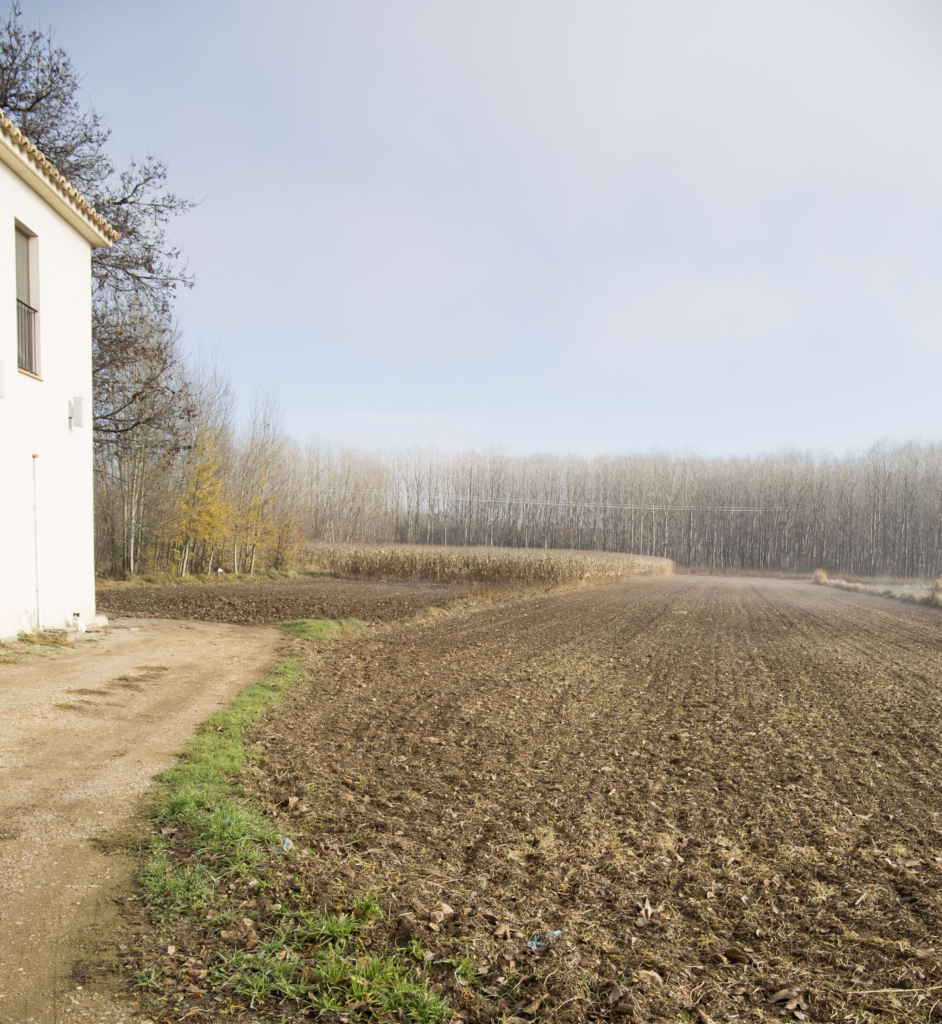
There are multiple types of grading — and most homeowners never hear this
A trusted industry resource explains that grading includes several categories: rough grading, finish grading, landscape grading and architectural grading.
Source: Different Types of Land Grading in Construction: An Overview
https://www.dev-res.com/press-and-news/different-types-of-land-grading-in-construction-an-overview
Plain-English meaning:
- Rough grading = reshape the land
- Finish grading = refine the slope
- Landscape grading = adjust for planting & aesthetics
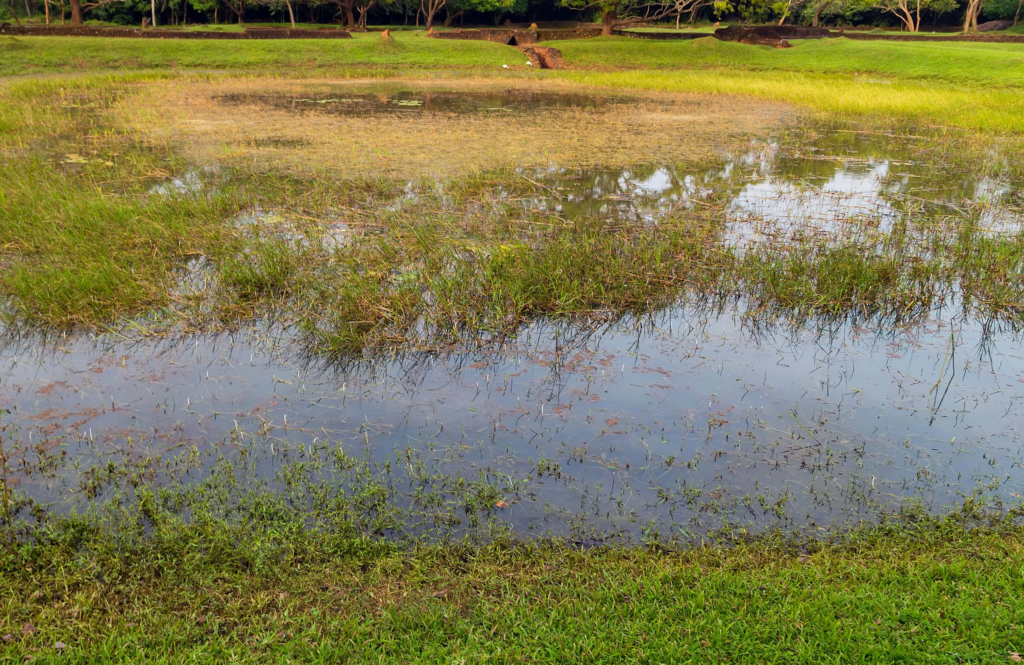
Homeowner pain point: Water pooling
If water consistently pools in the same place, it’s almost always grading failure.
Signs of poor grading:
- Grass stays soggy long after rain
- A swampy patch at the base of a hill
- Basement dampness or staining
- Patio edge collects water instead of draining
This is where the term “landscapers Kelowna” becomes misleading
Many landscapers plant shrubs and lay mulch — but don’t have excavation or grading equipment.
You don’t want:
“A landscaper with a wheelbarrow.”
You want:
“A contractor with an excavator, grading plan and compaction equipment.”
Kelstone handles both: excavation-grade equipment + finishing experience.
STEP 3: Drainage — the invisible system that protects everything
Drainage is rarely seen, but always felt when it’s missing.
Drainage prevents hydrostatic pressure
When water has nowhere to go, it pushes hardscapes out of position:
- Retaining walls lean
- Patios sink
- Pavers pop
Kelstone prevents this by installing:
- Perforated drainpipe
- Gravel backfill
- Geotextile barrier
- Weep holes (for walls that need them)
- Proper slope toward daylight or storm systems
Without drainage, a retaining wall becomes a dam
And dams break.
STEP 4: Hardscape prep — compaction, base depth and geotextile
This is where long-lasting landscaping is won or lost.
Hardscape failure usually traces back to one thing:
The base wasn’t compacted properly.
Kelstone follows a strict prep process:
| Task | Why it matters |
| Excavate to stable soil | Removes organics that would settle later |
| Add crushed gravel (not sand or soil) | Creates load-bearing structure |
| Compact in thin layers (lifts) | Prevents sinking, shifting and frost heave |
| Add geotextile fabric | Keeps gravel from mixing into soil over time |
Hardscape prep is where cheap contractors cut corners and homeowners pay for it later.
The cost of fixing vs. doing it right
Fixing a failed patio or retaining wall costs 2–3× more than doing proper prep up front.
Because repair requires:
- Demo
- Re-excavation
- Re-grading
- Rebuilding
Proper site prep pays for itself.
What happens when steps are skipped (real-world consequences)
| If brush clearing is skipped | Result |
| Roots left under the patio | Patio sinks |
| Buried debris left untouched | Water channels unpredictably |
| Slopes assumed instead of verified | Incorrect grading |
| If grading is skipped | Result |
| Water flows toward structures | Basement moisture problems |
| Drainage issues only appear AFTER landscaping | Costly rework |
| If drainage is skipped | Result |
| Retaining walls bow or collapse | Total rebuild needed |
| Pavers heave in winter | Surfaces become uneven |
Why Kelstone clients don’t have these issues
Because we don’t build on guesswork.
Here’s Kelstone’s process:
- Brush clearing to reveal slope and soil conditions
- Measurement & planning of accurate grades
- Excavation and drainage installation
- Compaction and base build
- Finish grading and hardscape construction
Ready to transform your outdoor space? Contact Kelowna’s trusted hardscape contractors today for a free consultation and bring your dream patio, walkway, or retaining wall to life.
Instead of hiring:
- A brush clearing company
- A landscaper
- A hardscape crew
…you hire one contractor capable of all three.
Yes, it costs more upfront — but far less over the lifetime of your landscape.
Quick start: How to get a quote
Kelstone offers:
Free site walk
Grading + drainage assessment
Brush clearing + excavation quote
Start here:
https://kelstonecontracting.com/contact/
FAQs
Q: Do I really need brush clearing first?
Yes. Without brush clearing, grading plans are inaccurate because you can’t see the true land slope.
Q: What’s the ideal slope away from a home?
Industry standard is at least 2% grade — meaning for every 100 inches horizontally, drop 2 inches vertically.
Q: Can I add drainage later?
You can, but it’s more expensive. Drainage is cheapest during grading.
Q: How deep should a retaining wall drain pipe be?
At the bottom of the wall, at the same level as the base gravel.