
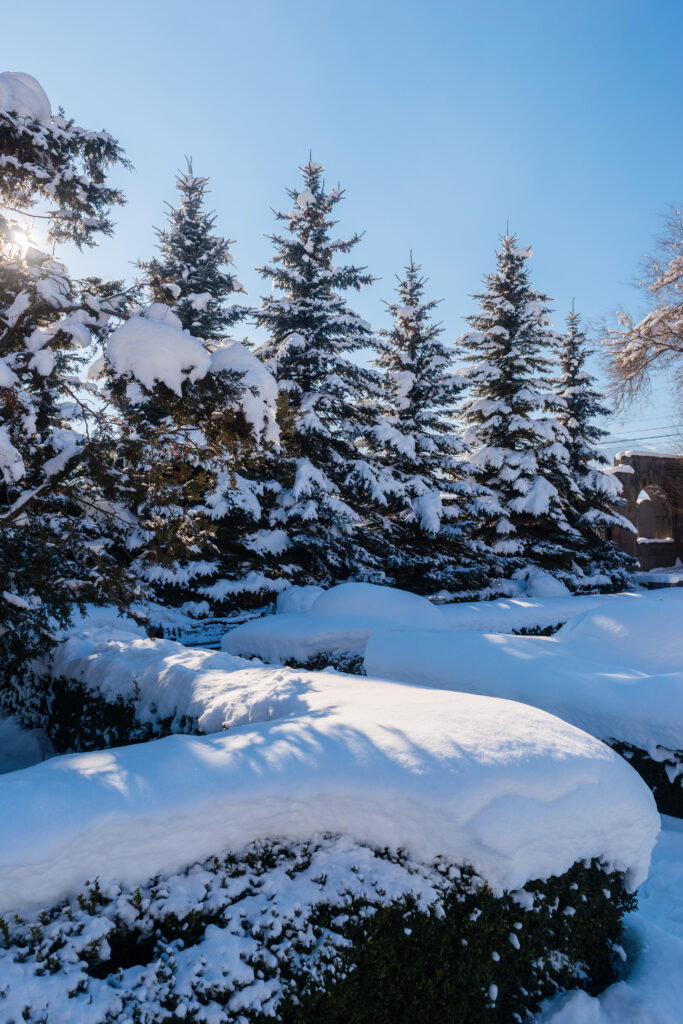
When winter arrives in BC, many homeowners assume lawn care and maintenance can be paused until spring. After all, grass stops growing and gardens go quiet.
But dormancy does not mean your lawn is immune to damage.
Winter is when many lawn and yard problems quietly begin. Compaction, moisture buildup, and freeze–thaw cycles can all affect turf and soil. Those issues often show up months later as dead patches, poor drainage, or muddy areas that take time and money to fix.
Understanding what matters in winter helps you protect your property and avoid surprises once the snow melts.
Why winter lawn care and maintenance still matters
Healthy lawns depend on strong roots and stable soil. Even in winter, those foundations can be stressed.
Health Canada’s lawn guidance explains that proper maintenance supports long-term turf health, not just appearance during the growing season. That includes protecting soil structure and avoiding conditions that weaken grass over time.
https://www.canada.ca/en/health-canada/services/home-garden-safety/maintaining-lawn.html
Winter care is less about active growth and more about damage prevention. The goal is to come out of winter with a yard that is ready to recover quickly.
4 smart reasons winter care prevents spring damage
1) Soil compaction weakens turf
Frozen or snow-covered grass looks sturdy, but it is fragile. Repeated foot traffic compresses the soil below the surface.
Compacted soil limits air and water movement. In spring, that often leads to slow growth and uneven areas that stay wet longer than they should.
What helps
- Keep walking paths off the lawn where possible
- Shovel or mark a clear route to avoid shortcuts
- Avoid parking equipment or storing materials on turf
These small steps protect root zones that you cannot see.
2) Moisture creates disease risk
Winter moisture can sit on the lawn for weeks. When snow piles up over matted grass or debris, air flow is restricted.
That trapped moisture creates conditions where turf diseases like snow mould can develop. Homeowners often discover this only after snow melts and patchy areas appear.
What helps
- Remove leaves and debris before consistent snow cover
- Avoid piling snow in the same lawn area all winter
- Gently rake matted areas in early spring to improve airflow
Managing moisture now reduces recovery work later.
3) Freeze–thaw exposes drainage problems
BC winters often bring fluctuating temperatures. Snow melts during warm spells, then refreezes overnight.
This cycle can shift soil, widen low spots, and reveal drainage weaknesses. Water that has nowhere to go will find the lowest point, sometimes near walkways, patios, or foundations.
What helps
- Watch where meltwater collects during thaws
- Keep drainage paths clear of ice and packed snow
- Take note of problem areas for spring repairs
Winter is a good time to observe how your yard handles water.
4) Salt and ice control affect turf health
De-icing products are necessary for safety, but they can be hard on grass and nearby plants.
Salt residue can dry out turf edges and damage soil structure. This often shows up as thinning or dead strips along driveways and sidewalks in spring.
What helps
- Use only what you need for traction
- Sweep up excess salt once surfaces are dry
- Rinse affected areas in spring when temperatures allow
Balancing safety and lawn protection makes a noticeable difference.
What landscaping services look like in winter
Many homeowners wonder what landscaping services actually involve once winter sets in.
Winter services are focused on access, protection, and planning rather than construction.

Snow removal and access management
Keeping walkways and driveways clear protects more than just safety. Proper snow removal helps prevent people from cutting across lawns, which reduces compaction and turf damage.
Kelstone provides professional snow removal services that help maintain safe access while protecting surrounding yard areas.
https://kelstonecontracting.com/snow-removal/
Planning and site assessment
Winter is also a practical time to:
- Identify drainage and grading concerns
- Plan spring upgrades
- Prioritize maintenance and repairs
This proactive approach helps avoid rushed decisions once warmer weather arrives.
Simple winter lawn care checklist for BC homeowners
Use this quick list as a winter reference:
- Limit walking on frozen or snow-covered grass
- Clear leaves and debris before snowfall
- Avoid piling snow in one lawn area
- Watch where meltwater flows during thaws
- Keep runoff paths open
- Use de-icers carefully near turf
- Plan spring maintenance early
These steps focus on protection, not active growth.
When to bring in professional help
Consider professional support if you notice:
- Repeated water pooling or runoff issues
- Heavy lawn damage each spring
- Unsafe winter access forcing traffic across grass
- Ongoing salt damage along hard surfaces
Early action can prevent minor issues from becoming larger projects.
If you want guidance on winter care or help planning ahead, it’s a good time to contact Kelstone.
https://kelstonecontracting.com/contact/
Closing thoughts
Winter may slow visible growth, but it does not stop the need for lawn care and maintenance.
Protecting soil, managing moisture, and maintaining safe access all play a role in how your yard performs once spring arrives. A thoughtful winter approach helps reduce damage, lower repair costs, and create a healthier starting point for the growing season.
FAQs
- Do lawns really need care in winter?
Yes. Winter care focuses on protecting soil and turf from compaction, moisture, and runoff damage. - What causes spring lawn damage most often?
Compacted soil, trapped moisture, poor drainage, and salt exposure are common contributors. - Can snow mould be prevented?
Reducing moisture buildup and debris before snowfall lowers the risk. - Is snow removal part of landscaping services?
Yes. Snow removal supports safe access and helps protect surrounding lawn areas. - When should I plan spring lawn work?
Winter is a good time to observe issues and book services before peak season. - When should I book spring landscaping help?
Earlier than you think. Winter is a good time to identify problem areas and schedule spring work before the busiest weeks fill up.