

Imagine stepping into your backyard and being greeted by a lush, vibrant landscape that not only looks beautiful but also contributes to the health of our planet. Welcome to the world of sustainable landscaping! This blog post is designed for eco-conscious homeowners who are eager to transform their outdoor spaces into eco-friendly havens. We’ll explore various practices and designs that promote sustainability, conserve resources, and create stunning, low-maintenance landscapes.
The Essence of Sustainable Landscaping
 What is Sustainable Landscaping?
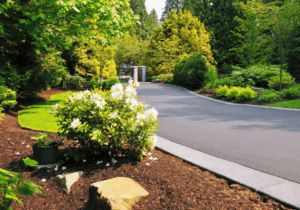
Sustainable landscaping goes beyond just planting trees or maintaining a green lawn. It’s about creating outdoor spaces that are environmentally responsible, resource-efficient, and in harmony with nature. This practice aims to reduce the negative impact on the environment by using eco-friendly materials and methods.
Why is it Important?
For eco-conscious homeowners, sustainable landscaping offers a way to reduce their environmental footprint. It promotes biodiversity, conserves water, and minimizes the use of harmful chemicals. By incorporating sustainable practices, you can create a beautiful, resilient landscape that benefits both you and the planet.
What You Will Learn
In this guide, we’ll cover a range of topics, from eco-friendly landscaping practices to sustainable design ideas. You’ll discover practical tips for implementing these practices in your own yard, along with the numerous benefits they offer.
Water Conservation in Landscaping
Efficient Irrigation Systems
One of the key aspects of sustainable landscaping is water conservation. Installing efficient irrigation systems, such as drip irrigation or soaker hoses, can significantly reduce water usage. These systems deliver water directly to the plant roots, minimizing evaporation and runoff.
Rainwater Harvesting
Collecting rainwater is another effective way to conserve water. You can install rain barrels or cisterns to capture rainwater from your roof and use it to irrigate your garden. This not only conserves water but also reduces your utility bills.
Drought-Tolerant Plants
Choosing drought-tolerant plants is a smart way to create a low-maintenance, water-efficient landscape. Native plants, succulents, and ornamental grasses are excellent choices that require minimal watering once established.
Native Plants for Sustainability
Benefits of Native Plants
Native plants are well-suited to the local climate and soil conditions, making them a sustainable choice for eco-friendly landscaping. They require less water, fertilizer, and pesticides, which reduces your environmental impact and maintenance efforts.
Attracting Wildlife
Using native plants can also attract local wildlife, such as birds, butterflies, and beneficial insects. These creatures play a crucial role in pollination and pest control, contributing to a healthy and balanced ecosystem.
Popular Native Plants
Depending on your region, there are numerous native plants to choose from. For example, coneflowers, black-eyed Susans, and milkweed are popular choices in many parts of the United States. Research native plants that thrive in your specific area for the best results.
Energy-Efficient Landscape Design
Strategic Planting
Strategic planting can help reduce energy consumption in your home. Planting deciduous trees on the south and west sides of your house can provide shade in the summer and allow sunlight to warm your home in the winter.
Green Roofs and Walls
Green roofs and walls are innovative ways to incorporate plant life into your home’s structure. They provide insulation, reduce the heat island effect, and improve air quality. Additionally, they offer a unique aesthetic appeal.
Outdoor Lighting
Using energy-efficient outdoor lighting, such as solar-powered or LED lights, can enhance the beauty of your landscape while conserving energy. Consider installing motion sensors or timers to further reduce energy usage.
Creating an Eco-Friendly Garden
Permaculture Principles
Permaculture is a sustainable gardening practice that mimics natural ecosystems. By designing your garden based on permaculture principles, you can create a self-sustaining landscape that requires minimal input and maintenance.
Composting
Composting is an excellent way to recycle organic waste and enrich your soil. By adding compost to your garden beds, you can improve soil structure, retain moisture, and provide essential nutrients to your plants.
Pollinator Gardens
Pollinator gardens are designed to attract and support pollinators, such as bees, butterflies, and hummingbirds. Planting a variety of flowering plants that bloom at different times of the year can provide a continuous food source for these vital creatures.
Benefits of Sustainable Landscaping
 Environmental Impact
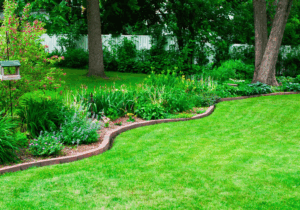
Sustainable landscaping has numerous environmental benefits, including reduced water usage, decreased chemical runoff, and increased biodiversity. By creating a healthy, balanced ecosystem, you can contribute to the preservation of our planet.
Cost Savings
While the initial investment in sustainable landscaping practices may be higher, the long-term savings are significant. With reduced water bills, lower maintenance costs, and fewer chemical inputs, you’ll save money over time.
Health and Well-Being
Spending time in a sustainable landscape can improve your physical and mental well-being. Gardening, outdoor activities, and simply enjoying nature can reduce stress, improve mood, and promote a healthier lifestyle.
Practical Tips for Implementation
Start Small
If you’re new to sustainable landscaping, start small. Begin with one section of your yard and gradually incorporate eco-friendly practices. This allows you to learn and adapt without feeling overwhelmed.
Plan and Design
Take the time to plan and design your landscape thoughtfully. Consider factors such as soil type, sun exposure, and water availability. A well-designed landscape will be more resilient and easier to maintain.
Seek Professional Help
If you’re unsure where to start or need expert advice, consider consulting with a landscape designer or horticulturist. They can provide valuable insights and help you create a sustainable landscape tailored to your needs.
Sustainable landscaping is more than just a trend—it’s a commitment to preserving our environment and enhancing our quality of life. By incorporating eco-friendly practices and designs into your yard, you can create a beautiful, resilient landscape that benefits both you and the planet. Start small, plan thoughtfully, and seek professional guidance if needed.