

Are you tired of spending endless hours maintaining your garden? Do you want an eco-friendly space that looks beautiful without requiring constant attention? You’re not alone. The trend of low-maintenance gardening is growing, especially among eco-conscious homeowners and urban gardeners. This blog post will walk you through how to create a low-maintenance garden that’s kind to both the planet and your schedule.
The Rise of Low-Maintenance Gardens
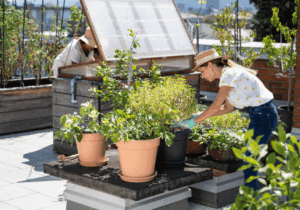 Why They’re Gaining Popularity
More people are moving towards low-maintenance gardens, and it’s easy to see why. These gardens are perfect for busy lifestyles and offer a sustainable way to enjoy nature. Urban gardeners and first-time homeowners are especially drawn to this trend.
Sustainable and Beautiful Spaces
A low-maintenance garden isn’t just easy to care for; it can also be a stunning addition to your home. When designed thoughtfully, these gardens are both functional and aesthetically pleasing. They offer a sustainable way to enjoy green spaces without the need for constant upkeep.
What You’ll Learn
We’ll cover the benefits of low-maintenance gardens, planning tips, essential tools and techniques, and a seasonal maintenance guide. Whether you’re an eco-conscious homeowner or someone new to gardening, you’ll find valuable insights to help you get started.
Benefits of Low-Maintenance Gardens
Reduced Water Consumption and Environmental Impact
One of the biggest advantages of a low-maintenance garden is its minimal water requirement. By choosing drought-resistant plants and efficient irrigation systems, you can significantly reduce your water usage. This not only lowers your utility bills but also lessens your environmental impact.
Time and Effort Savings
If you’re always short on time, a low-maintenance garden is your best friend. These gardens are designed to require minimal intervention, freeing you up to enjoy your outdoor space rather than constantly working in it. Imagine spending your weekends relaxing instead of weeding and watering.
Enhanced Biodiversity and Ecosystem Health
Low-maintenance gardens often promote biodiversity by incorporating a range of native plants. These plants attract beneficial insects and birds, enhancing the overall health of your garden ecosystem. A diverse garden is more resilient to pests and diseases, making it easier to maintain in the long run.
Planning Your Low-Maintenance Garden
Assessing Your Space
Before you start planting, take some time to assess your garden space. Consider factors like the amount of sunlight, soil type, and local climate. Understanding these elements will help you choose plants that will thrive with minimal care.
Selecting Low-Maintenance Plants
The key to a low-maintenance garden is selecting the right plants. Look for native species that are well-adapted to your local conditions. These plants often require less water and are more resistant to pests and diseases. Succulents, ornamental grasses, and perennial flowers are excellent choices.
Designing for Aesthetics and Functionality
Design your garden with both beauty and functionality in mind. Use a variety of plant heights, colours, and textures to create visual interest. Incorporate hardscaping elements like gravel paths and stone benches to reduce lawn space and maintenance needs. A well-designed garden not only looks good but also functions efficiently.
Essential Tools and Techniques
 Key Tools for Maintenance
Investing in the right tools can make garden maintenance much easier. Drip irrigation systems are a must-have for low-maintenance gardens. They deliver water directly to the plant roots, reducing waste and ensuring your plants get the moisture they need. Mulching materials like wood chips and straw are also essential for retaining soil moisture and suppressing weeds.
No-Dig Gardening
No-dig gardening is a technique that minimizes soil disturbance, reducing the need for frequent weeding and watering. By layering organic materials like compost and mulch on top of the soil, you can create a fertile growing environment with minimal effort.
Companion Planting
Companion planting involves growing plants that benefit each other when placed nearby. This technique can help deter pests, improve pollination, and enhance plant growth. For example, planting marigolds alongside tomatoes can help repel harmful insects.
Seasonal Maintenance Guide
Spring Tasks
Spring is the perfect time to prepare your garden for the growing season. Focus on planting new perennials and mulching your garden beds. Check your irrigation system to ensure it’s working efficiently and make any necessary adjustments.
Summer Care
In the summer, your main task will be to keep an eye on your irrigation system and check for any signs of pests or diseases. Regularly deadhead flowers to encourage continuous blooming. Remember, a low-maintenance garden doesn’t mean no maintenance at all.
Fall Preparation
Fall is the time to prepare your garden for the colder months. Remove any dead or diseased plant material and add a layer of mulch to protect the soil. Consider planting cover crops like clover to improve soil health over the winter.
Winter Resilience
During winter, your garden will largely take care of itself. However, it’s a good idea to occasionally check on your plants and remove any debris that could harbour pests. If you live in an area with heavy snowfall, consider using burlap to protect delicate plants.
Creating a low-maintenance garden offers numerous benefits, from reducing your environmental footprint to saving you time and effort. By following the steps outlined in this post, you can design a garden that’s both beautiful and sustainable. Start today and enjoy a beautiful, sustainable outdoor space with minimal effort.