
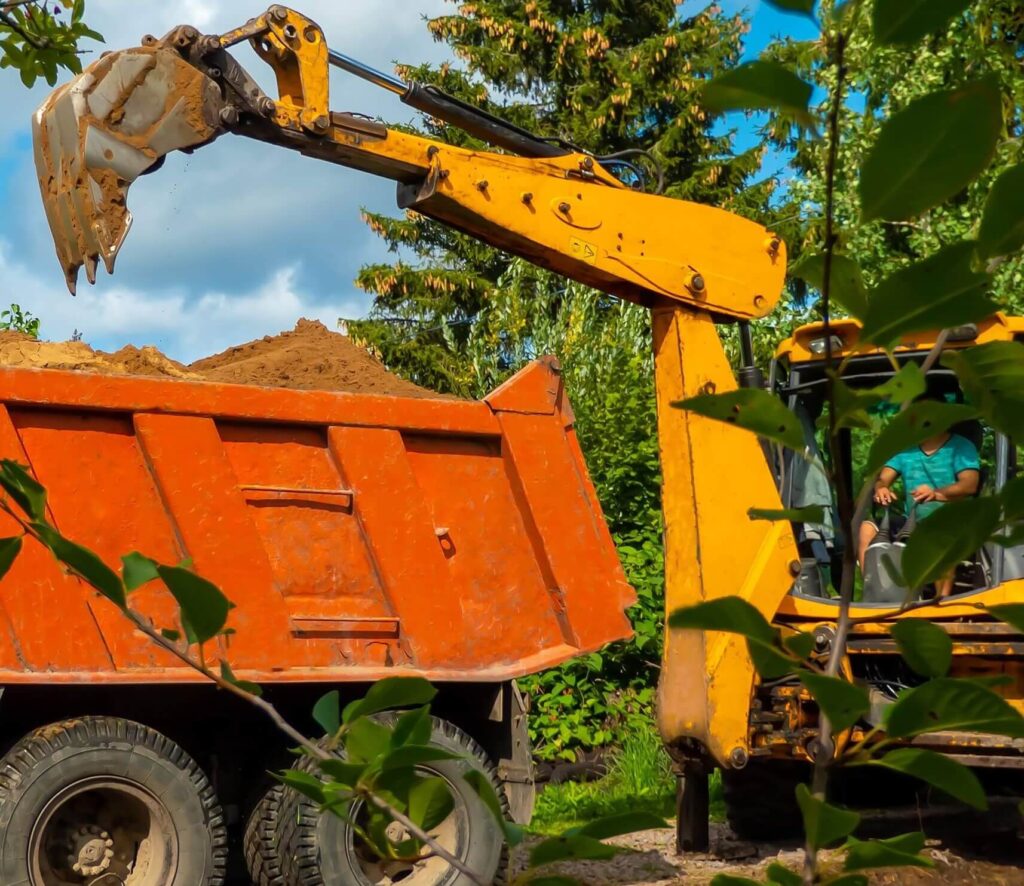
Homeowners, builders, and property managers often hit the same wall: there’s too much soil on site after excavation, landscaping, or stump removal Kelowna projects. Piles block access, delay trades, and create safety issues. The solution is simple and powerful—professional dirt removal that clears the way for what’s next.
What a Dirt Removal Service Does in Kelowna
A dirt removal service loads, hauls, and disposes of excess soil from your property. That can include clean fill, mixed soils, and root-laden spoil. A good crew also handles basic staging (stockpiling, access planning) and leaves the site broomed and safe so the next trade can start. When volumes are larger or soils are coming from higher-risk sites, you’ll want to confirm provincial notification rules before moving soil off site.
Pro tip: Kelowna’s Glenmore Landfill may accept clean fill at no charge when it meets site conditions—always call first to confirm acceptance and any daily status.
The 5 Smart Ways
1) Frees Space for Builds, Driveways, and Safe Access
Excess soil eats up staging areas and blocks equipment paths. Removing it early gives you clean access for foundations, pads, retaining walls, and hardscape crews. Sub-trades can park closer, unload faster, and move materials without weaving around piles.
- Clear access lanes reduce back-and-forth shuttling.
- Equipment can operate safely with fewer spotters.
- Less re-handling of soil means less mess and compaction.
2) Keeps You Within Local Rules (and Avoids Rework)
Disposal isn’t just “take it away.” Facilities have material standards and may change acceptance status day-to-day based on space, moisture, or contamination concerns. In Kelowna, the Glenmore Landfill page notes clean fill acceptance conditions and asks residents to call ahead. Showing up with the wrong material can lead to rejection, extra costs, and lost time.
B.C. also has a Soil Relocation process that requires notification when relocating ≥30 m³ of non-waste soil from sites with certain industrial or commercial histories. Knowing the threshold and exemptions keeps you compliant and on schedule.
For a consumer-friendly overview of dirt disposal and reuse ideas, see this quick guide from Homedit: How to Dispose of Dirt — Options and Tips.
3) Reduces Manual Labour and Jobsite Risk
Shoveling and hand-loading burns hours and raises injury risk. Professional loaders and the right buckets move more soil in less time, with better control at property lines and near plantings. That means fewer strained backs, cleaner walkways, and less turf damage from repeated wheelbarrow trips.
- Loader + dump combo replaces dozens of hand trips.
- Proper staging minimizes double handling.
- Crews trained in tight-quarters loading make cleaner exits.
4) Speeds Up Your Schedule and Sub-Trades
Every day a soil pile sits is a day trades jockey around it. Getting dirt out early unlocks contiguous work: excavation → forms → pour → backfill → flatwork. Hauling on a clear path prevents trench cave-ins from vibration, reduces tracking on streets, and shortens the time your project disrupts neighbours.
- Dirt removal early = less regrading later.
- Fewer conflicts between trucks and compactors.
- Faster site sign-off for inspectors and clients.
5) Improves Final Grading, Drainage, and Planting Results
You can’t grade accurately over spoil. Removing excess lets you establish the right subgrade, set consistent slopes away from structures, and install topsoil at uniform depths. Root-safe backfill and compaction bring lawns and beds to life, while preventing ruts and ponding after the first rain.
- Better slope = fewer water callbacks.
- Even topsoil depths = healthier turf and shrubs.
- Cleaner edges = sharper curb appeal on day one.
After Stump Removal: Soil, Root Voids, and Backfill
Grinding a stump creates a blend of wood chips and soil that settles over time. If you plant straight into that mix, you’ll battle nitrogen tie-up and sinkage. The fix is simple:
- Remove the grindings and excess spoil.
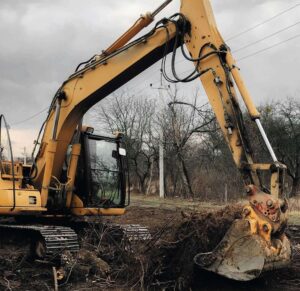
- Backfill with clean soil and compact in lifts.
- Top with quality topsoil and re-grade before seeding or sodding.
Tying dirt removal to stump work gives you a flat, stable area ready for plantings, patio bases, or a shed pad.
Quick Prep: How to Get Ready for Pickup Day
Use this checklist to save time and money:
- Stage soil in one accessible pile, away from utilities and fences.
- Confirm material (clean fill vs mixed spoil). Snap photos.
- Measure approximate length × width × height for volume.
- Check access widths and overhead clearance for loaders and trucks.
- Call ahead if you plan to self-haul to Glenmore Landfill; confirm current acceptance for clean fill and hours (operated by the City of Kelowna).
Costs: What Drives Your Quote (Without Surprises)
Pricing depends on:
- Volume and weight (estimated cubic metres or truck loads).
- Material type (clean fill vs mixed organics/roots/debris).
- Access (distance to pile, slope, gate width, overhead lines).
- Disposal destination (facility fees, load minimums).
- Compliance (whether B.C. soil-relocation notification applies at ≥30 m³ for specific source sites).
You’ll get a clearer number when you include photos, rough dimensions, and the desired time window in your request.
Why Kelstone (and How We Work)
You get a crew that shows up on time, stages the pile if needed, loads efficiently, and leaves a clean surface ready for the next trade. We also handle combined tasks—stump removal in Kelowna followed by spoil hauling—so you only coordinate once.
- Send photos and a rough volume.
- Pick a date and access window.
- We load, haul, and sweep so you can keep building.
- Book material hauling now: Kelstone Material Hauling & Removal
- Need a quote today? Contact Kelstone
Ready to clear the pile and move ahead? Request your dirt removal quote and lock in your date.
FAQs
Is clean fill free to dump in Kelowna?
The City’s Glenmore Landfill may accept clean fill at no charge when it meets posted conditions. Always call ahead to confirm current acceptance and any limits.
Do I need a permit to move soil?
For many small residential projects, no. For larger volumes or soils from sites with certain industrial/commercial histories, B.C.’s Soil Relocation process can require notification at ≥30 m³; check before hauling.
Where can I find disposal or recycling locations in B.C.?
Use the Recycling Council of B.C.’s Recyclepedia tool or hotline to locate options near you.
What should I do with soil bags and related packaging?
RecycleBC indicates many soil/mulch bags are recyclable at depots; check local guidance and RCBC for specifics.